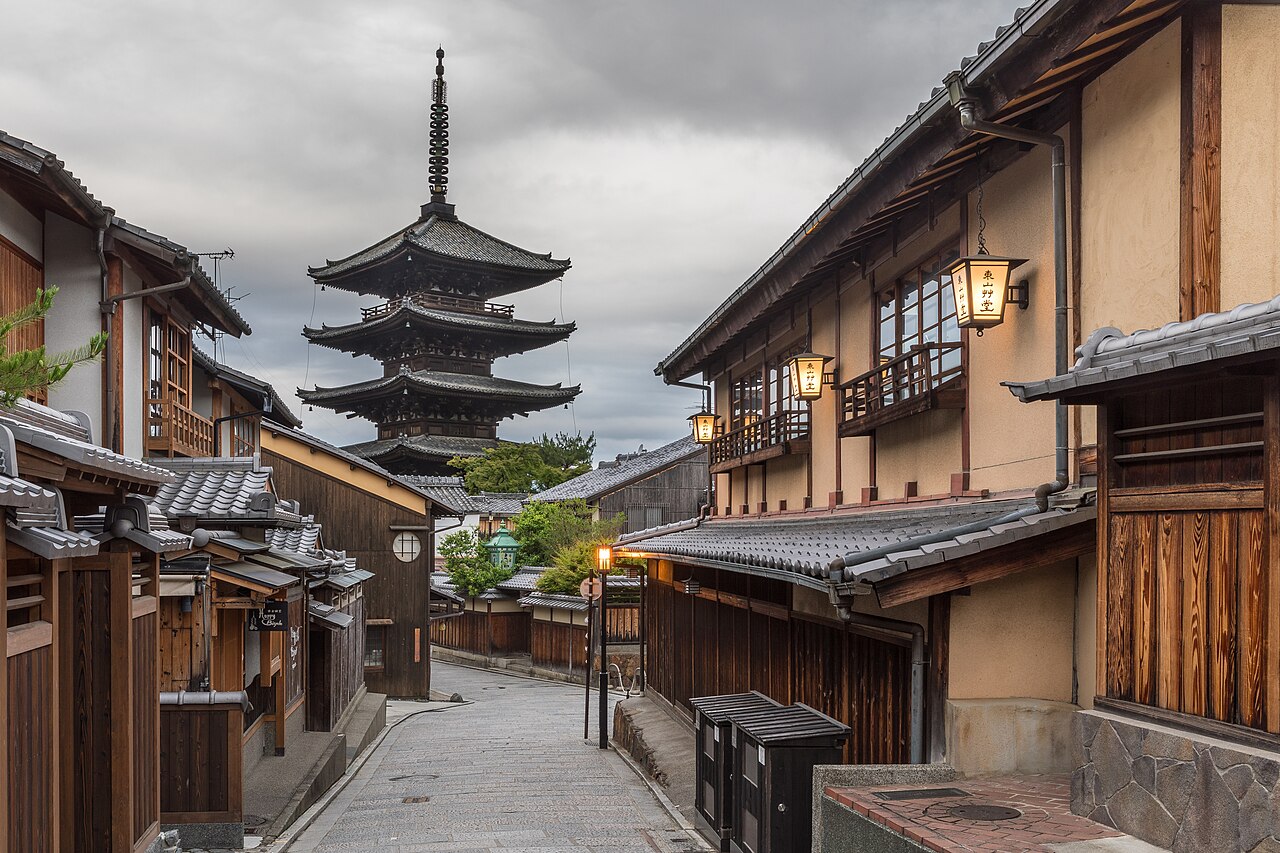
A first route: Tokyo, Kyoto, Osaka, and Nara
These connected destinations are popular for a reason, but they deserve different kinds of days. Keep transit realistic and leave space between headline sights.
- CAN’T-MISS
Tokyo
Choose a few neighborhoods—such as Asakusa, Ueno, Shibuya, or Kiyosumi-Shirakawa—rather than treating the metropolis as one walkable center.
Go for: city neighborhoods, museums, food, and late nights.
- HISTORY
Kyoto
Temples, gardens, and historic streets are spread across the city. Start early at one area, respect residential lanes, and look beyond the most photographed approach.
Go for: temples, gardens, and traditional architecture.
- FOOD
Osaka
Use Osaka for market browsing, local dishes, and lively neighborhoods. A short food walk can help you understand the city better than chasing a long list of restaurants.
Go for: casual food, shopping streets, and nightlife.
- SLOWER PICK
Nara
Historic temples and parkland make Nara a natural contrast to larger cities. Keep a respectful distance from the deer and follow signs about feeding and handling them.
Go for: temple history and a green day outdoors.
Regional cities with a different rhythm
These stops add craft, food, and local history to a route. Choose one rather than adding every city as a rushed overnight.
- CULTURE
Kanazawa
A compact historic center, garden, and craft traditions make Kanazawa an appealing alternative to a second major-city stay.
Go for: gardens, crafts, and a more compact city day.
- MOUNTAIN TOWN
Takayama
The old town and surrounding mountain scenery offer a slower inland stop. Check seasonal transport carefully if you are connecting through the Japanese Alps.
Go for: preserved streets, mountain air, and regional food.
- HISTORY
Hiroshima and Miyajima
A visit can pair the Peace Memorial Park with a separate island day. Take time with the historical context and verify ferry and site information before setting the schedule.
Go for: reflection, history, and coastal scenery.
Islands, mountains, and a slower stay
Japan’s regions change with distance and season. These choices work best when they are the purpose of a trip segment, not an add-on between trains.
- NATURE
Hokkaido
The northern island is known for wide landscapes, national parks, and seasonal outdoor activities. Distances are large, so plan around one area and the season you are visiting.
Go for: national parks, open landscapes, and seasonal food.
- ISLAND CULTURE
Okinawa
Okinawa has a distinct island culture, history, and coastline. Learn about local history as well as beach options, and plan enough time for travel between islands.
Go for: subtropical coast, local history, and island time.
- QUIETER PICK
Koyasan
A mountain temple town offers a different pace from the major cities. If you stay overnight, follow the host temple’s expectations and reserve through official channels.
Go for: a reflective overnight and mountain scenery.
Choose by what you want to find
- Food: Follow a regional specialty rather than looking for the same dishes in every city.
- History: Mix one major heritage site with a neighborhood walk that shows how the surrounding city lives today.
- Nature: Choose Hokkaido, Okinawa, or a mountain route based on season and available travel days.
- Meeting people: Join a small cooking, craft, or walking experience and check the host’s format before booking.
Official sources to check before you go
- Japan National Tourism Organization
- Historic Monuments of Ancient Kyoto – UNESCO World Heritage Centre
- Hiroshima Peace Memorial – UNESCO World Heritage Centre
Travel conditions, venue access, and opening information can change. Confirm details close to your visit.
Make room for the people you meet.
Met helps you remember places and encounters, and connect when both people choose to reveal. Participating locations vary, so check the map before planning around a check-in.