Northern and central essentials
These stops pair history and dramatic scenery. Choose two or three that fit your route instead of treating the distances as day trips.
- CAN’T-MISS
Hanoi
Start with the Old Quarter, Hoan Kiem Lake, and the Temple of Literature. The city is a strong base for northern food, museums, and onward rail or road journeys.
Go for: street food, history, and a walkable first-city stay.
- LANDSCAPE
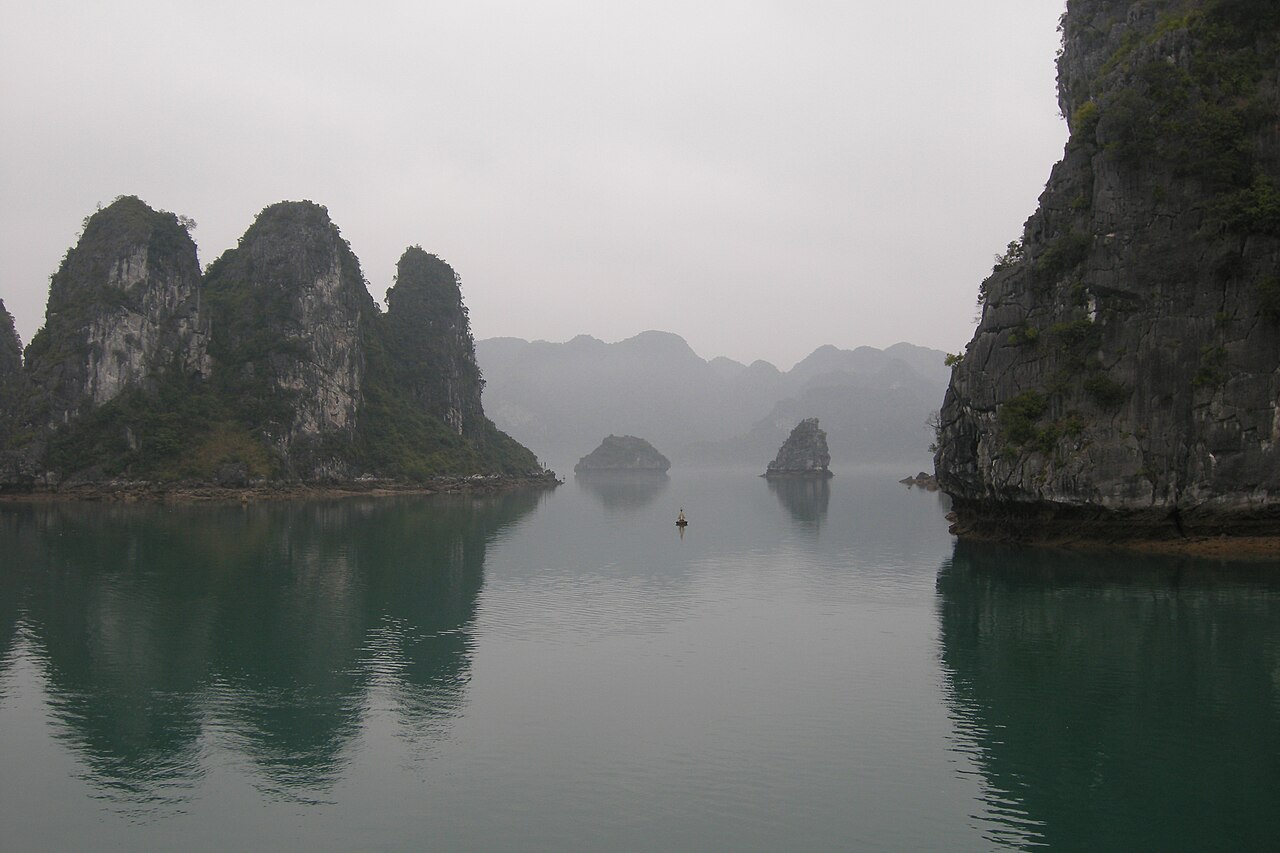
Ha Long Bay
Limestone islands rise from the bay, best understood from the water. Compare the route, group size, and environmental practices of boat operators before booking.
Go for: karst scenery and an overnight boat itinerary.
- SLOWER PICK
Ninh Binh
River routes, limestone formations, and rural roads make this a slower counterpoint to Hanoi. Trang An and Tam Coc are popular gateways; plan around transport between sites.
Go for: landscapes, cycling, and a quieter pace.
- HISTORY
Hue
The former imperial capital is known for its citadel, royal tombs, and distinctive central Vietnamese food. Give the historic sites more than a rushed stopover.
Go for: architecture, history, and regional dishes.
Coast, old towns, and caves
Central Vietnam brings together heritage streets, beaches, and protected cave landscapes; season and transport connections can shape the order.
- CAN’T-MISS
Hoi An
The preserved trading-port center is most rewarding on foot, especially when you look beyond the busiest lanes to workshops and quieter streets. Respect residential areas and heritage rules.
Go for: architecture, craft, and an evening walk.
- COAST
Da Nang
Use the city for a mix of beaches, local food, and access to nearby heritage sites. It works well as a practical base when you want city services without giving up the coast.
Go for: beach time, seafood, and an easy travel base.
- NATURE
Phong Nha–Ke Bang
The national park is known for caves and karst terrain. Cave access is managed through different operators and routes, so check current requirements and choose an outing that matches your ability.
Go for: cave landscapes and guided outdoor activities.
Southern city life and river routes
The south is a good fit for museums, markets, river scenery, and an island finish. Leave time for transfers; distances on a map can hide slow journeys.
- CITY ENERGY
Ho Chi Minh City
Pair the city’s museums and historic buildings with a neighborhood food walk. A local guide or small-group class can add context without promising that any venue is a guaranteed social scene.
Go for: museums, modern history, and late-day food stops.
- RIVER LIFE
Mekong Delta
The delta is a region rather than a single attraction. Choose a route that spends time with local communities and farms, and ask how the visit supports the people hosting it.
Go for: waterways, local food, and a slower overnight.
- ISLAND
Phu Quoc
The island combines beaches with forest and fishing communities. Look beyond resort zones, follow local conservation guidance, and check ferry or flight details close to departure.
Go for: a beach break and a few unhurried days.
Choose by what you want to find
- Food: Build a short list around Hanoi, Hue, and Ho Chi Minh City; let each region’s dishes guide the route.
- History: Allow separate time for Hanoi, Hue, and Hoi An rather than squeezing every site into one day.
- Nature: Choose one landscape focus—bay, karst countryside, caves, delta, or island—then check access conditions.
- Meeting people: Look for small-group cooking, craft, or walking experiences run by local hosts; confirm the organizer and meeting point.
Official sources to check before you go
- Vietnam National Authority of Tourism
- Ha Long Bay – UNESCO World Heritage Centre
- Complex of Hue Monuments – UNESCO World Heritage Centre
- Hoi An Ancient Town – UNESCO World Heritage Centre
- Phong Nha-Ke Bang National Park – UNESCO World Heritage Centre
Travel conditions, venue access, and opening information can change. Confirm details close to your visit.
Make room for the people you meet.
Met helps you remember places and encounters, and connect when both people choose to reveal. Participating locations vary, so check the map before planning around a check-in.